§ Notes ·
What good patrol coverage actually looks like
Patrol service is the most over-promised and under-specified product in the security industry. Here's how to read a contract before you sign one.
By Tracy F. Bales
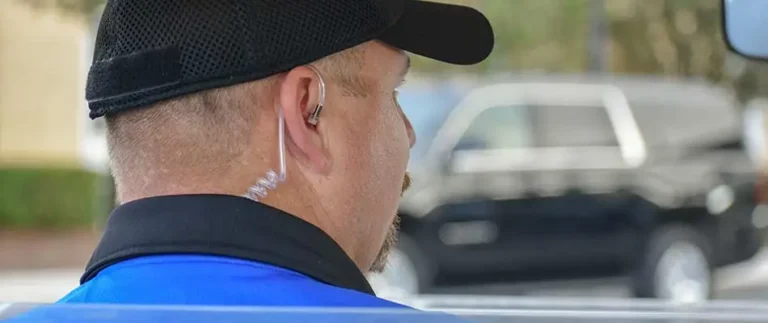
Most patrol contracts share the same shape. A vehicle drives by your property, a few times a night, on some schedule, and somebody emails you a report. The differences between a good contract and a bad one don't show up in that summary; they show up in the answers to four specific questions.
First: what does "randomized" actually mean? A patrol that arrives at the same time every night isn't a patrol; it's a calendar appointment, and anyone watching the property knows when to skip it. Real randomization means routes, sequence, and timing all vary across the week.
Second: what's logged, and what's reported? A pass through the property that produces no record is a pass that didn't happen, as far as your file is concerned. Ask to see a sample monthly report before you sign — what gets noted, what doesn't, what gets photographed.
Third: who answers when there's a problem? An officer on patrol is not a one-person police force. They are eyes, ears, and presence — and a phone call to the right person. Ask who the supervisor is, what hours they work, and what their direct number is.
Fourth: who actually shows up? In Florida, patrol contracts are sometimes subcontracted to other agencies after they're sold. Ask whether the company you're hiring is the company whose officers will be in the marked vehicle. The answer should be yes.